Student perspective: summer fieldwork in Nahanni National Park
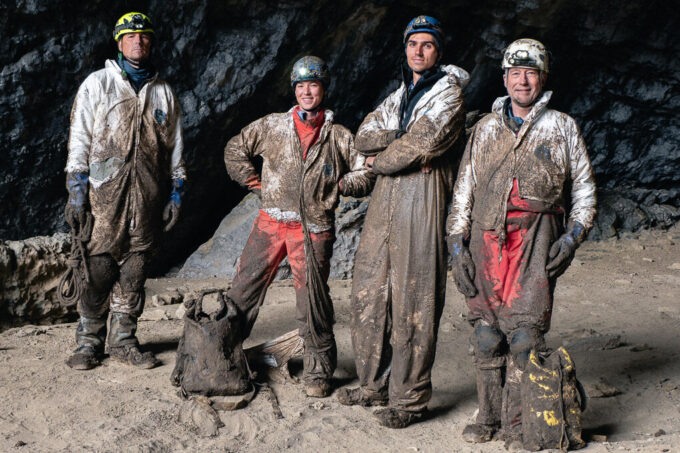
EAPS PhD student Madison Whittmer spent six days backpacking and caving in Nahanni National Park, located in the Northwest Territories of Canada, to learn what current climate conditions can tell us about past ones.
Madison Wittmer is a 5th year EAPS PhD student studying past climates of cold regions using stalagmites, calcites mounds that grow in caves when water drips and collects in the same spot. Along with EAPS graduate student Max Filter, Canadian caving expert and guide Greg Horne, and Canadian technical guide Joe Storms, Wittmer spent six days this past summer backpacking and caving in Nahanni National Park, located in the Northwest Territories of Canada. Here, she explains why she’s studying these formations and what they can tell us about Earth’s historic climate. All images, unless otherwise noted, were taken by Filter.
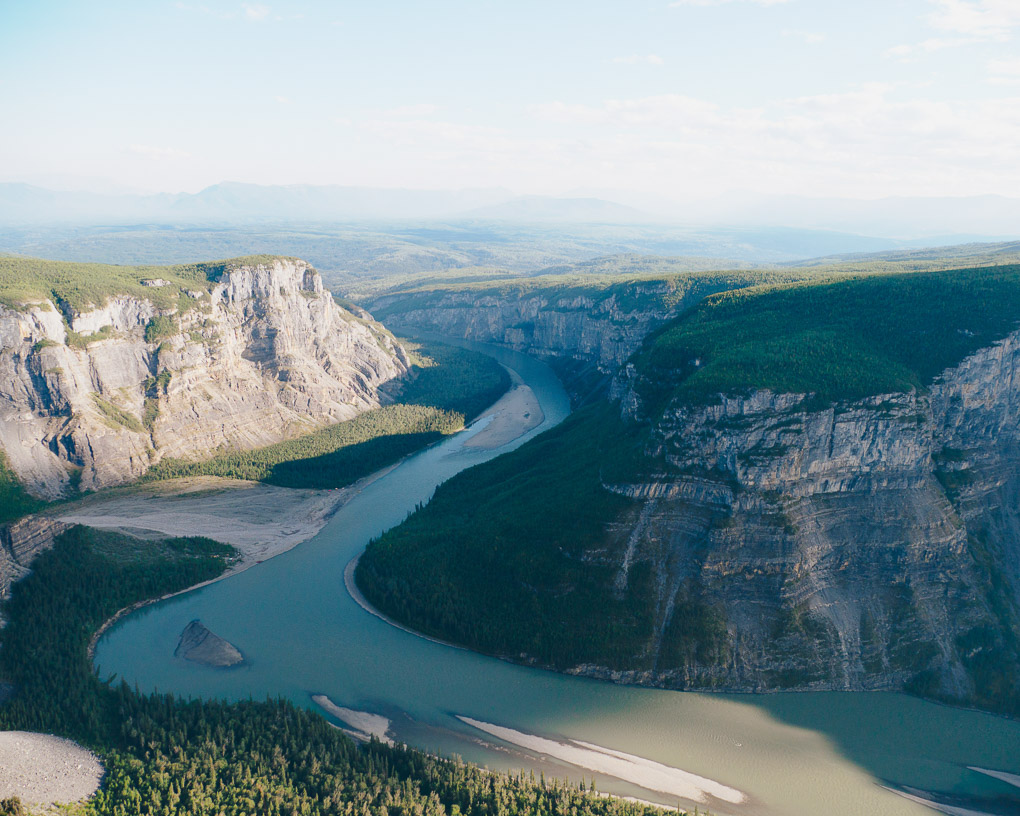
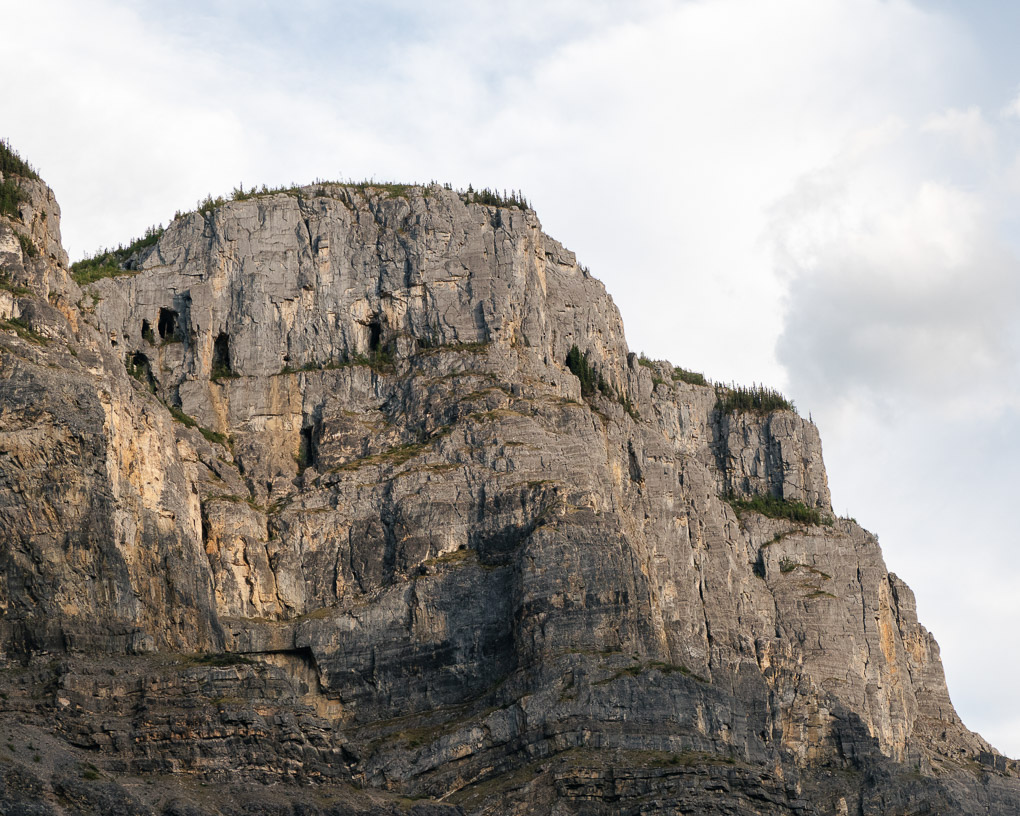
The caves we visit are very remote, so after two airplane flights, a drive, and a helicopter ride, we arrived on top of the plateau above the cave Grotte Valerie with all of the gear necessary to survive and do science for the next six days. The cave was accessible by a short hike along the cliff edge, with stunning views of the Nahanni river below.
We spent 2 days caving in Grotte Valerie to complete the intended research goals, which can be split into two categories:
- Study of the modern cave. When first mapped in the 1970s, the caves were described as permafrozen, with temperatures remaining below zero in most of the passages for the whole year. This meant that there was no dripping water or stalagmites growing and any formations present were from a past warmer interval of time. However, in the last 50 years, this region has experienced significant warming, leading to the thawing and reactivation of the caves. In 2025, we deployed temperature and humidity loggers and set out drip count loggers. This year we collected those loggers so that we could access the past year’s data, as well as sampled dripping water and modern calcite in the cave. We use the knowledge of how the modern cave responds to changing climate to interpret the older samples.
- Study of past warm periods using stalagmites. We collected older, broken stalagmites in the cave and brought them back to MIT where they were dated with uranium-thorium (U-Th) in the McGee lab. The ages of the samples represent time intervals which were at least as warm as today. We also measure stable oxygen and carbon isotopes which can tell us about past regional temperature or precipitation.
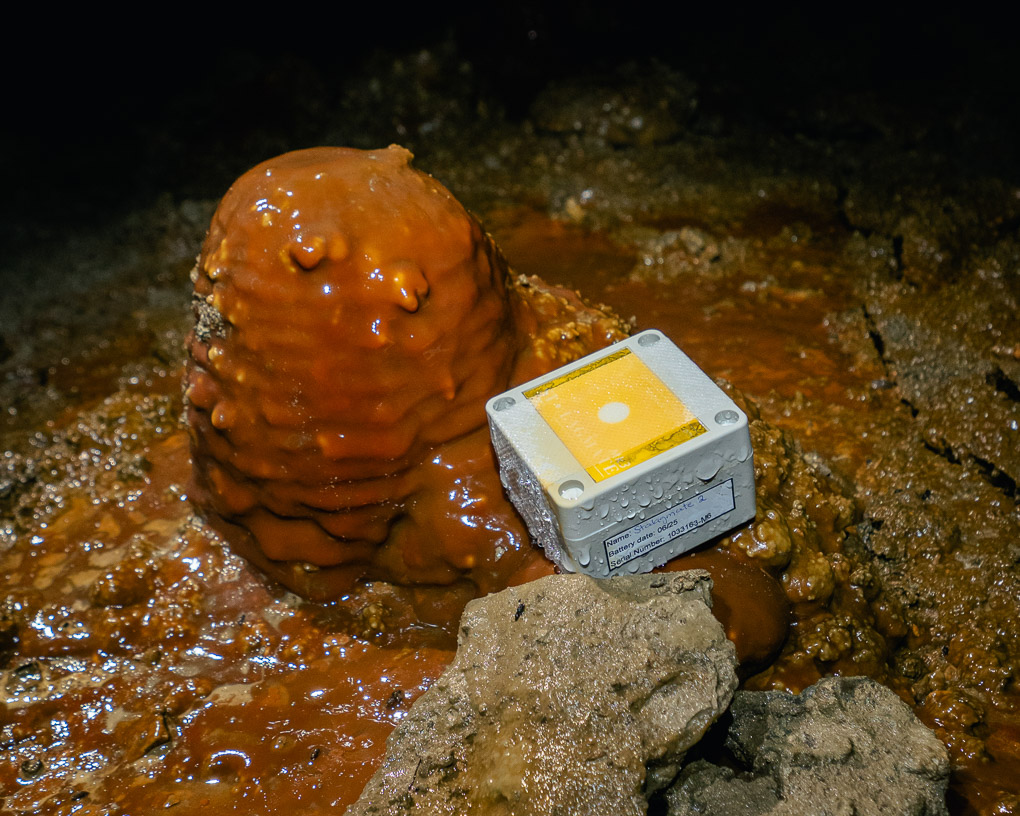
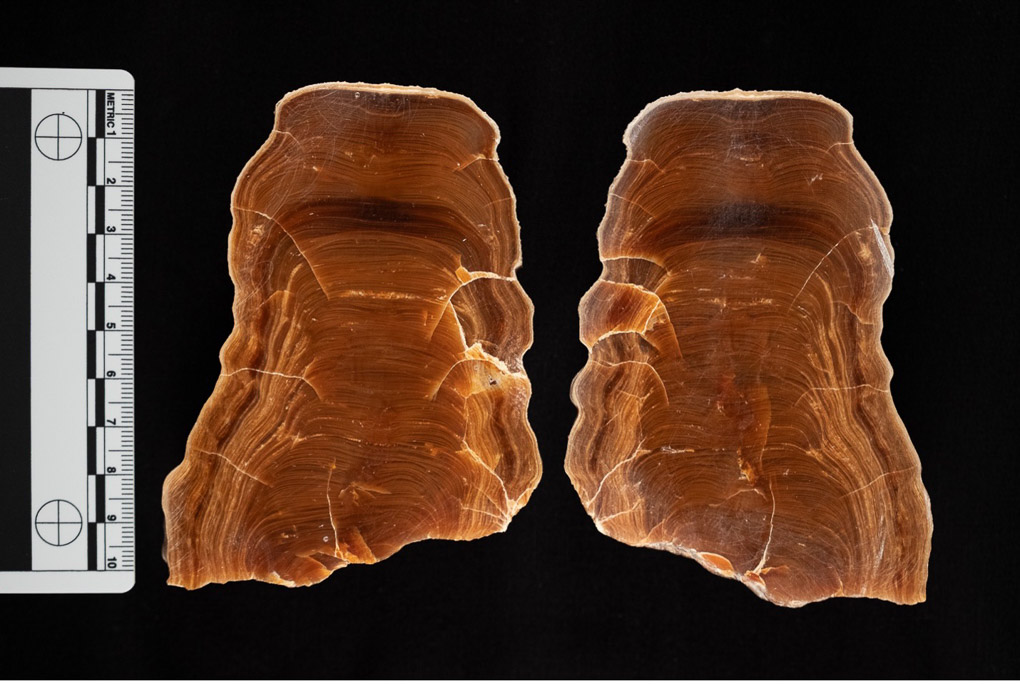
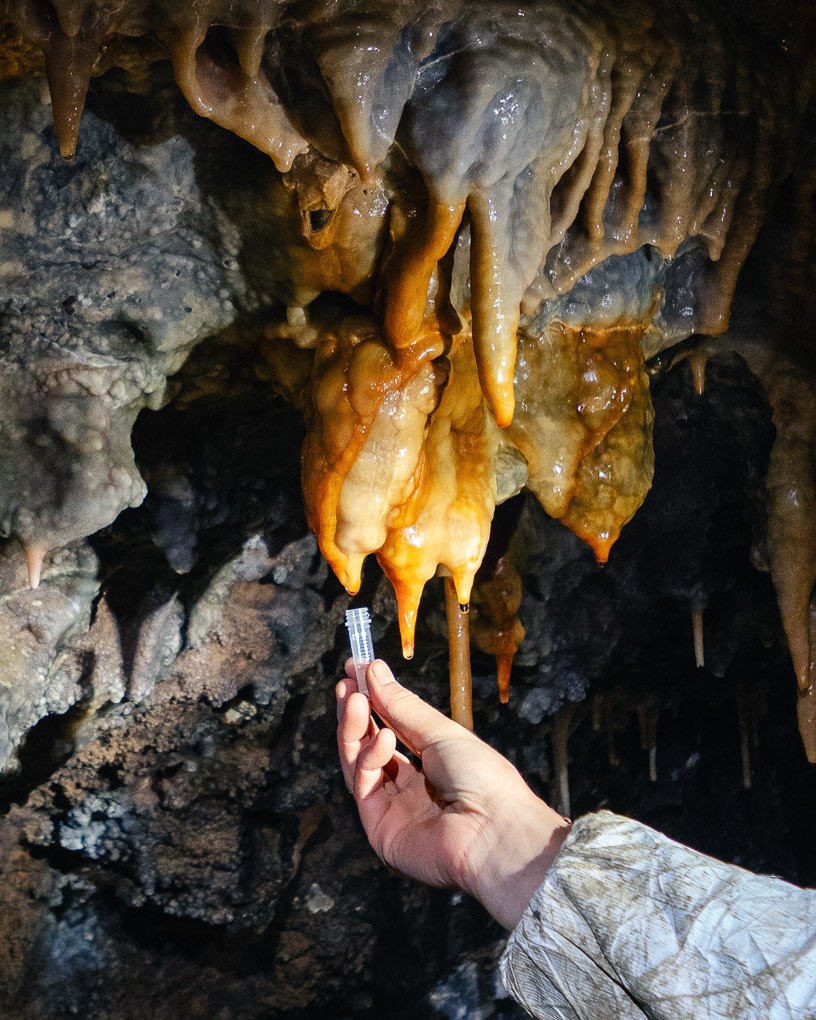
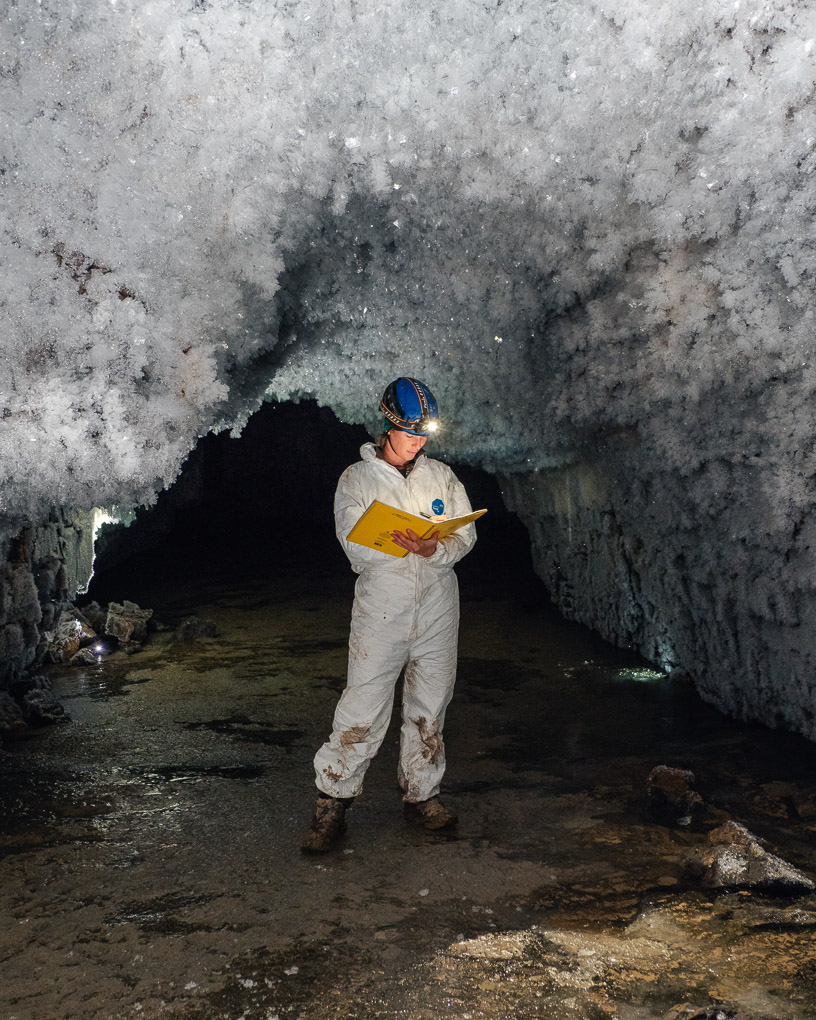
Inside the caves we wore base layers, coveralls, and a Tyvek suit on top. But while we were sweating while suiting up at the cave entrance on a summer day, it quickly became chilly inside Grotte Valerie with the T/RH loggers reading 0.3 C (32.5 F) and 100% relative humidity.
The passages are tall and narrow, carved long ago by groundwater moving laterally to the South Nahanni river. Now, ice and speleothem decorations have formed along the walls of the cave.
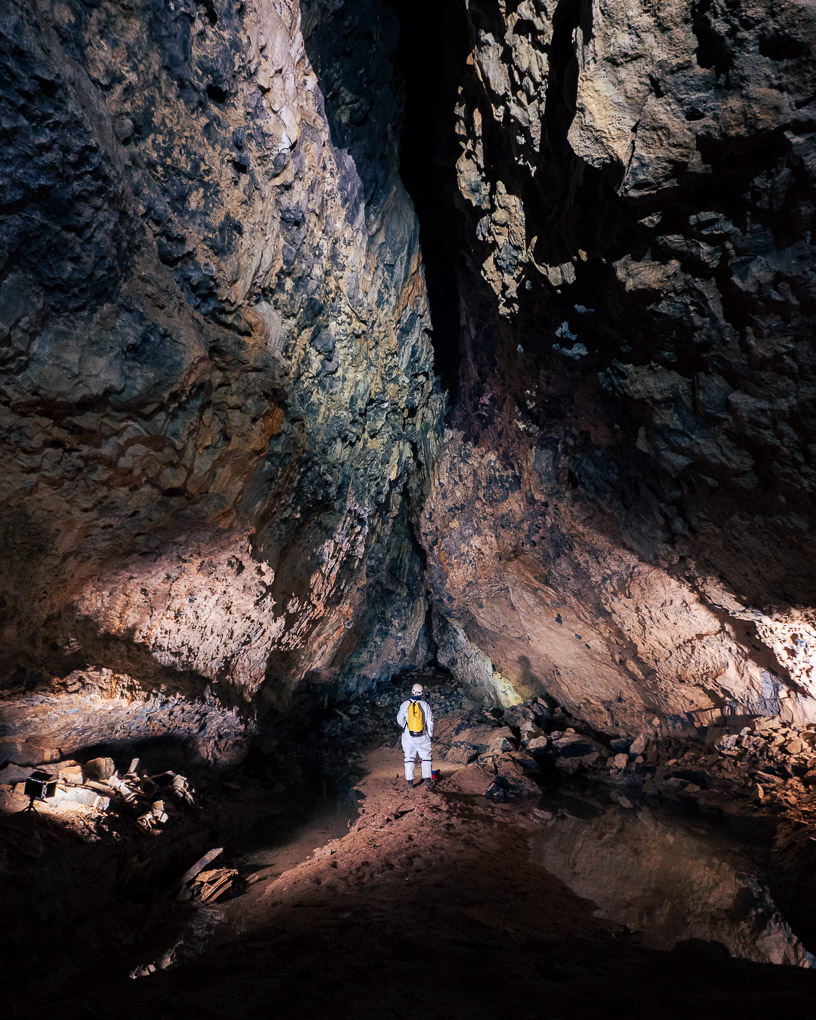
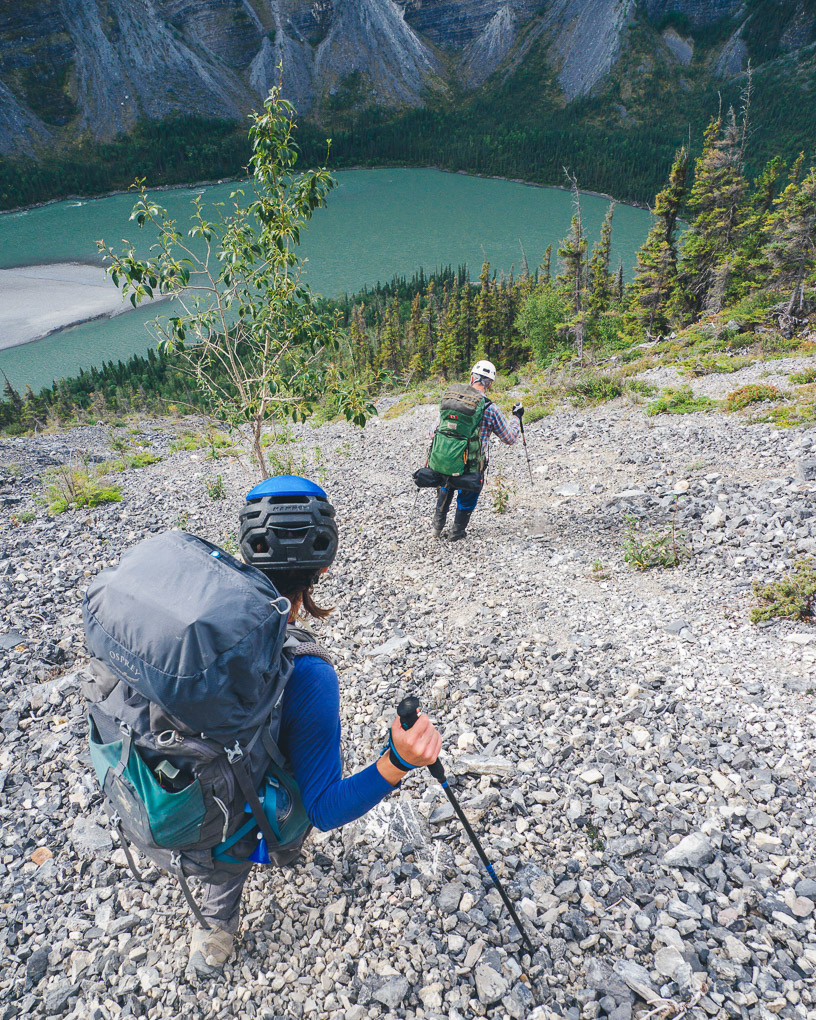
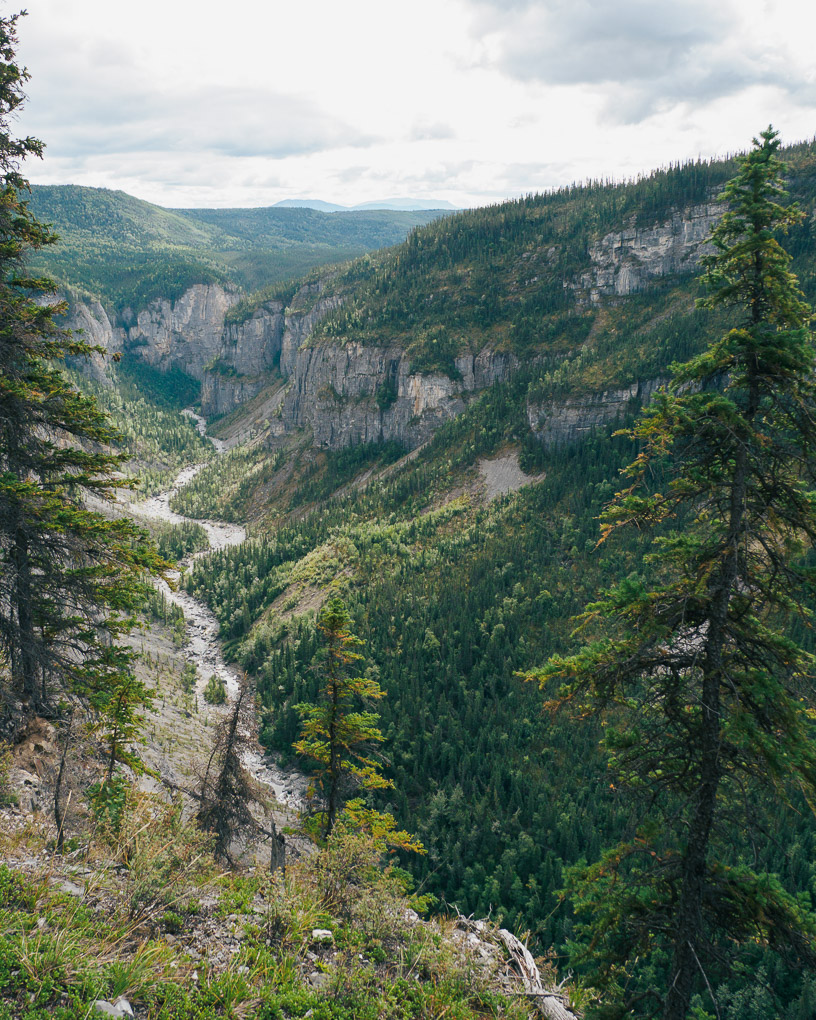
There are hundreds of known caves in Nahanni and even more which are still being discovered. After our two days of caving in Grotte Valerie, we packed up our camp and headed on towards Grotte Andrée, one of the other most extensive caves in the park. It took two days of hiking to get to Grotte Andrée, though it was only approximately 5km away. First we had to descend down a scree slope from the plateau to South Nahanni River and walk along it until reaching the mouth of Lafferty Creek canyon. Then we had to hike up Lafferty Creek canyon riverbed, bushwhack uphill to the top of the next plateau and rappel down a short cliff face to the Grotte Andrée cave entrance. There are no trails, just walking over rocks or through thick forest while sinking into the deepest moss I have ever seen, all while carrying camping, caving, and sampling gear. Luckily we were fortunate that the weather was perfect and the views are stunning.
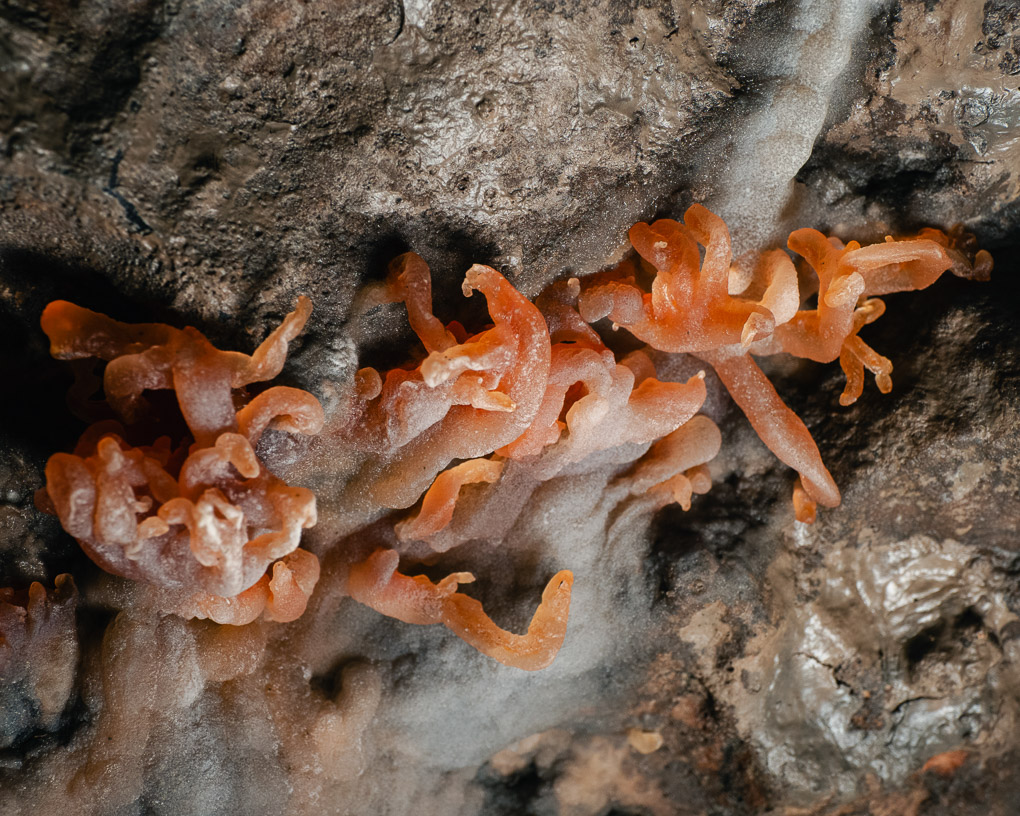
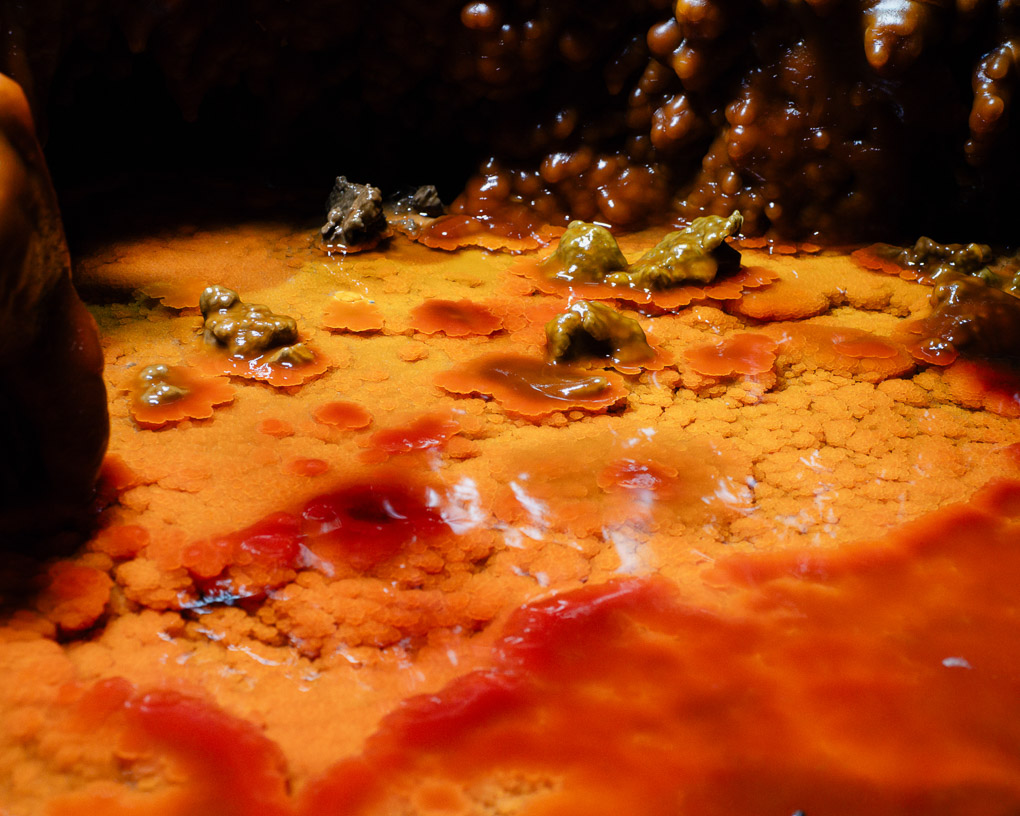
Grotte Andrée has passages that require more crawling than Grotte Valerie, absolutely shredding our Tyvek suits and making us very muddy. We also collected loggers deployed last year, speleothem, and water samples. There is no ice currently in Grotte Andrée but it has some unique speleothem features such as cave pools and helictites.
I had a great time revisiting the caves and hiking through the beautiful Nahanni National Park wilderness. The logistics of getting to this area are challenging and last year we did not know what samples we would be able to find before we got there. Last year I collected 5 stalagmites and had no idea what age they would be until I dated them back at MIT. Most of them turned out to be from the early Holocene (11,700 to 8,200 years ago), with one sample recording peak interglacial conditions of Marine Isotope Stage 5 (130,000 to 80,000 years ago) and Marine Isotope Stage 9 (337,000 to 300,000 years ago), so I am working to create a paleoclimate record of those times. Now that I have collected the temperature/humidity loggers, drip loggers, modern water samples, and calcite samples, I will be able to more confidently connect the cave chemistry to regional climate. The results from these two years of fieldwork should provide results for two of my thesis chapters.